

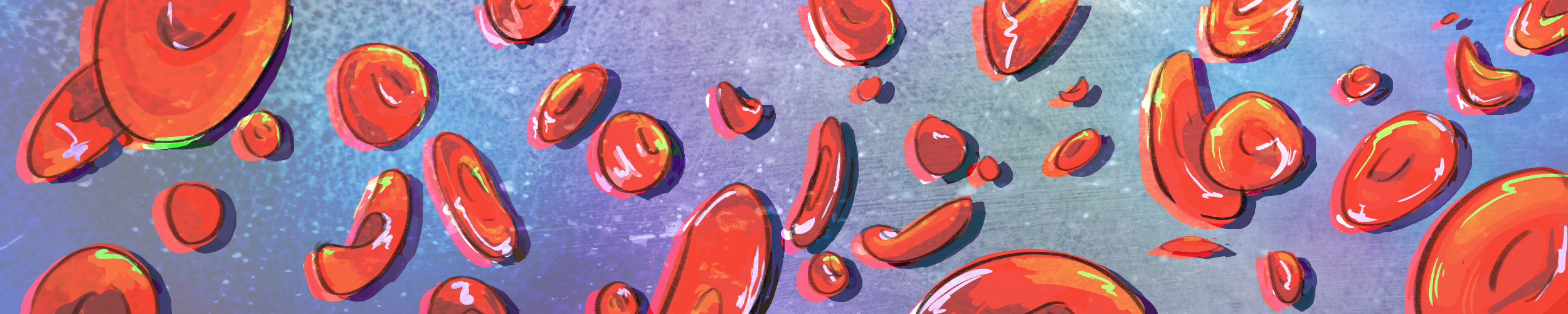
Sickle Cell Disease
Learn more about the condition
Challenges
Continued high morbidity and mortality
No “universal” cure
Few disease-modifying therapies
Poor access to high quality care
Need to improve existing treatment regimens
Complications
Pain
Strokes and “silent”
infarcts
Increased risk for infection
Pneumonia-like illness
ACS
Splenic sequestration
Worsening anemia
Eye problems
GI problems
Hip and shoulder disease
Pulmonary hypertension
The sickle mutation is common in malaria-prone parts of the world
The mutant sickle gene produces hemoglobin molecules that are “sickled” and rigid
The parasite that causes malaria, Plasmodium, cannot digest the sickled hemoglobin
and causes the sickled red blood cells to rupture prematurely, before the parasite can
reproduce
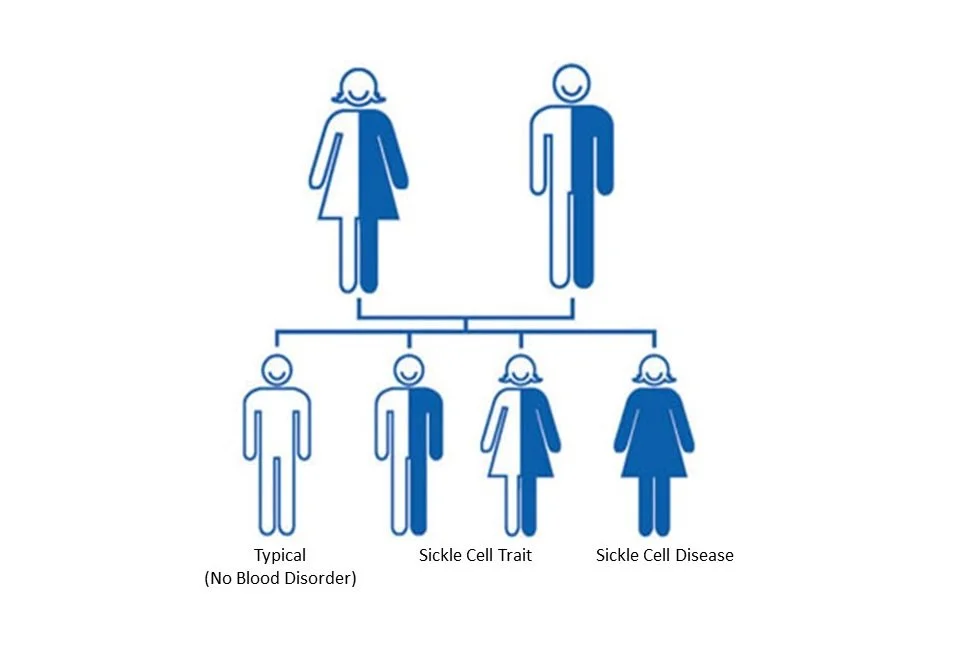
In areas where malaria is endemic, people with sickle cell trait, or one copy of the
sickle mutation, have a survival advantage over people without it
Sickle Cell Trait and Malaria
Global Impact
The majority of affected individuals are from low-income countries
90% of children with SCD in resource-poor countries do not survive to adulthood
By 2050, the number of people with SCD is expected to increase by 30%


“No one needs to fight sickle cell alone”
— Dr Marj Dejoie-Brewer